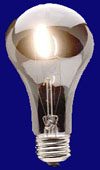
LED lighting...A brighter future for LESS.
1) It takes 20 incandescent light bulbs to equal the life span of one LED light bulb.
There are 17 watt LED replacement bulbs for the 65 watt halogen or incandescent R30 lamp typically used in recess or track down lighting. Although the initial cost of the LED lamp is sometimes seven times that of a typical incandescent recess or track light bulb, you would need 20 of the incandescent to match the life span One(1) LED light bulb. That being said, to be clear, a LED providing the same lighting levels of a 65 watt incandescent would cost about $50, the 65 watt incandescent lamp about $7, however multiply the $7 by the 20 incandescent it will take to match the one LED and it puts a different light on it.
2) Maintenance cost for the LED light bulb is much less.
Take into account the savings in time, first finding and purchasing, and then replacing the lamp 20 different times, not to speak about those in high ceilings. The cost saved in labor and inconvenience in changing out a light bulb 20 times verses once, alone, makes the LED more practical.
3) Air Conditioning use will be less.
Led light bulbs put off less heat than standard incandescent light bulbs so your air conditioning use will be less, also cutting down on your energy cost.
4) Energy cost for one(1) 65 watt incandescent light bulb is (2.34 cents a day) verses one(1) 17 watt LED light bulb at (.068 cents a day)!
A Kilowatt hour, a measure used for determining your electrical bill or energy used, in itself makes for huge savings. A kilowatt hour on average is nine cents, so just one 65 watt lamp used four hours a day would be .260 kilowatt hours or about 2.34 cents a day, a 17 watt LED for the same four hours, .068 kilowatt hours or .612 cents a day. Multiply that by the total number of incandescent light bulbs you currently use in your home remembering also, every floor or desk lamp, decorative outside lighting, wall sconces, and the list goes on. So to be average accurate, count every single light fixture in your home inside and out and times that by 2.34 cents per day, then compare to the .068 cents per day for the LED.
5) The reduced strain on our electrical grid infrastructure in turn helps keep energy cost at current levels.
You see your totals locally, now imagine the remaining 925,000,000 lamps across the United States; then the understanding of the advantage in reference to the strain to our electrical infrastructure becomes as crisp as a LED lamp over a book we read. By reducing energy consumption taking into account all the items, one through four above, this helps to minimize the need for construction of new power plants and in turn fossil fuel consumption.
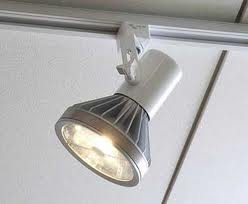
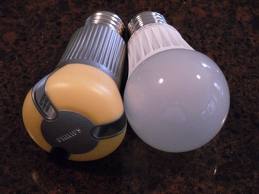
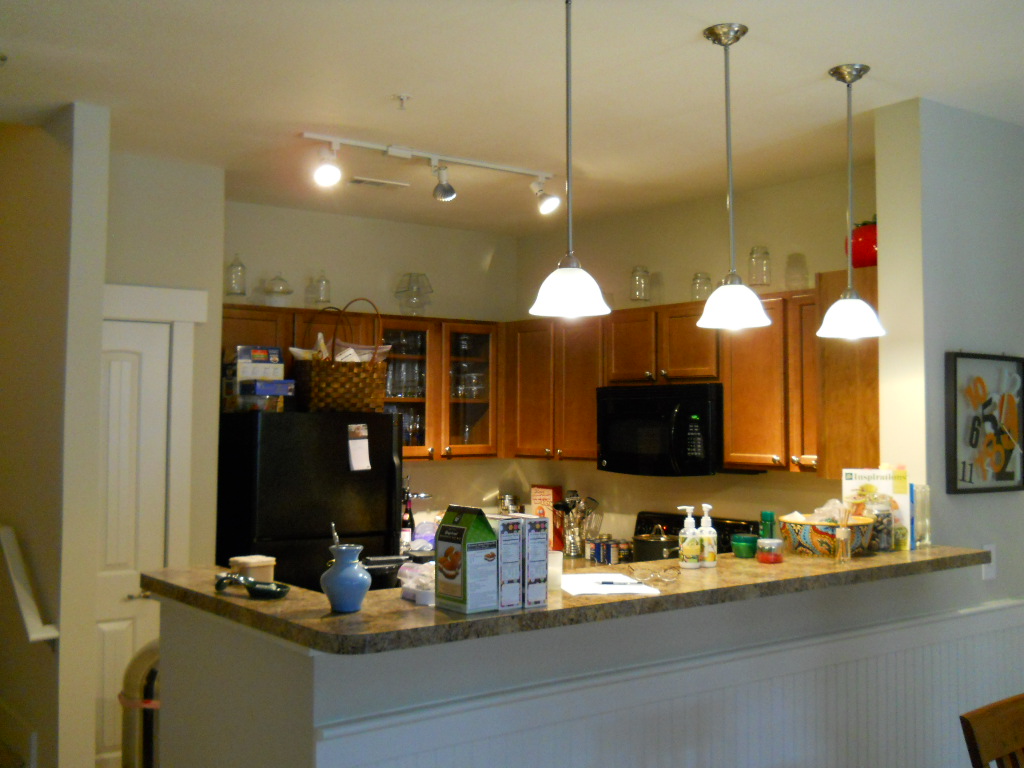
There are conditions which have to be considered for LED light bulbs. Although the LED light bulb puts off far less heat than the standard incandescent, heat build up due to inadequate ventilation for the LED lamp created by the design of some incandescent light fixtures will reduce the life span of the bulb as well as affect the output efficiency over time. It is always best to have a relationship with contractors who, one(1), understand the characteristics of the LED light bulb and two(2) understand factors in reference to the conditions of existing incandescent lighting fixtures and how they may affect the LED bulb.
In the coming years, LED light bulbs will flood the shelves of retailers and electrical wholesale houses. There will be several options, but all LED light bulbs are not equal. New laws regulating the manufacturing and bulb characteristic labeling are currently coming through the channels. Sometime in the future labeling similar to nutritional labeling will become a standard which will have the necessary information on the packaging of the LED bulb for consumers to make the correct choices for the full benefit of the LED technology. While in the long run, you will always get the most benefit through relationships with lighting specialist who understand the technology and what to look for in a LED bulb. Some of the characteristics which you should look for on packaging for LED bulbs is listed below.
Comparing products? What you should know.
1.Lumens measure light output. The higher the number, the more light is emitted.
2.Lumens per watt (lm/W) measures efficiency. The higher the number, the more efficient the product.
3.Watts measure the energy required to light the product. The lower the wattage, the less energy is used.
4.Correlated Color Temperature (CCT) measures light color. “Cool” colors have higher Kelvin temperatures (3600–5500 K); “warm” colors have lower color temperatures (2700–3000 K). Cool white light is usually better for visual tasks. Warm white light is usually better for living spaces because it casts a warmer light on skin and clothing. Color temperatures of 2700 to 3600 K are recommended for most general indoor and task lighting.
5.Color Rendering Index (CRI) measures the effect of the lamp''s light spectrum on the color appearance of objects. The higher the number, the truer the appearance of the light on objects. Incandescent lighting is 100 on the CRI.

Can you see where you need to?
Beam angle and strength has to be considered for the correct lighting coverage.
If you have questions or assistance in your LED choices, email your questions to:
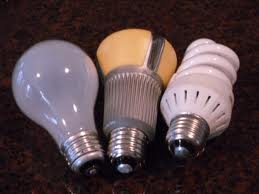
The Competition
Although there is competition for the LED technology, for retrofit, especially residential applications, LED light bulbs are the most practical considering the increased life span and better Lumens per watt over the CFL. Also LED light bulbs will interchange with the standard incandescent light bulb due to the compatibility of the light fixture shells which the bulbs screw into.




E & W Electrical, LLC
515 Meadowland Drive
Suite 100
Hillsborough, NC 27278
919-245-0200 (office)
919-245-0202 (facsimile)
888-919-5210 (toll free)
copyright 2010 E & W Electrical ** All rights reserved